Medical Education & USMLE Preparation
Build medical knowledge. Strengthen clinical reasoning. Prepare with purpose.
Comprehensive medical education and USMLE preparation designed for medical students, graduates and international physicians preparing for the next stage of their professional journey.

Prepare for the Exam In Front of You.
Step 1, Step 2 CK and Step 3 assess different stages of medical knowledge and physician development. Your preparation should reflect the examination you are preparing to take now.
USMLE Step 1
Develop the scientific foundation needed to understand normal function, disease processes and the basic science principles underlying clinical medicine.
- ✓ Pathology & disease mechanisms
- ✓ Physiology
- ✓ Pharmacology
- ✓ Microbiology & immunology
- ✓ Biochemistry, genetics & cell biology
- ✓ Anatomy, embryology & nutrition
USMLE Step 2 CK
Apply medical knowledge to clinical presentations, diagnostic decisions and patient management across the major areas of clinical medicine.
- ✓ Medicine
- ✓ Pediatrics
- ✓ Obstetrics & Gynecology
- ✓ Psychiatry & Surgery
- ✓ Diagnosis & diagnostic studies
- ✓ Management, pharmacotherapy & clinical interventions
USMLE Step 3
Apply medical knowledge with increasing independence to diagnosis, treatment, follow-up and management across different clinical settings.
- ✓ Diagnosis & patient management
- ✓ Laboratory & diagnostic studies
- ✓ Pharmacotherapy
- ✓ Prevention & longitudinal care
- ✓ Independent clinical decisions
- ✓ Computer-based Case Simulations (CCS)
Focus on your current USMLE milestone.
Step 1 builds the scientific foundation. Step 2 CK applies medical knowledge to clinical diagnosis and management. Step 3 advances toward increasingly independent patient-care decisions.
Use the Right Tool for Your Current Stage.
Additional medical learning resources should support the examination you are preparing for now. They are not interchangeable across every USMLE stage.
PathoDx Pro
A pathology-focused learning resource designed to reinforce disease recognition by connecting visual findings, pathophysiology and key diagnostic concepts.
- ✓ Pathology recognition
- ✓ Disease mechanisms
- ✓ Visual diagnostic associations
- ✓ Integration of pathology with clinical findings
Medical Diagnosis Flashcards
A clinical learning resource designed to strengthen recognition of disease presentations and reinforce diagnostic reasoning through focused repetition.
- ✓ Clinical presentation recognition
- ✓ Differential diagnosis
- ✓ Diagnostic pattern recognition
- ✓ Clinical knowledge reinforcement
Not every medical resource belongs at every stage.
Synapsis organizes learning tools around the skills being developed at that point in medical training: mechanisms and pathology for Step 1, then diagnosis and clinical reasoning for Step 2 CK.
Different Medical Backgrounds. One Current Goal.
Medical learners enter USMLE preparation from very different academic and professional backgrounds. The important question is not where you started — it is which examination you are preparing for now and what knowledge you need to strengthen.
Medical Student
You are currently completing medical school and preparing for the next USMLE milestone in your training.
- ✓ Stronger foundational sciences
- ✓ Integrated disease mechanisms
- ✓ Question-based application
- ✓ Exam-focused organization
Medical Graduate
You have completed medical school and are preparing to move forward through the USMLE examination sequence.
- ✓ Focused knowledge review
- ✓ Clinical reasoning development
- ✓ Diagnostic decision-making
- ✓ Structured exam preparation
International Medical Graduate
You completed medical education outside the United States and are preparing for a USMLE examination as part of your professional pathway.
- ✓ USMLE-style question reasoning
- ✓ U.S. clinical terminology
- ✓ Diagnostic and management frameworks
- ✓ English/Spanish educational support
Physician Returning to USMLE Preparation
You have medical experience but significant time may have passed since medical school or your previous USMLE examination.
- ✓ Reactivation of core knowledge
- ✓ Updated clinical reasoning
- ✓ Structured study progression
- ✓ Current exam-focused preparation
Medical preparation should match the exam you are facing now.
A student preparing for foundational sciences does not need the same training as a physician working on clinical management. Synapsis organizes Medical Education around the knowledge and reasoning demands of each USMLE stage.
Understand the Science. Apply It to the Patient.
Medical knowledge becomes clinically useful when the learner can connect normal physiology, disease mechanisms, clinical presentation, diagnosis and management.
Synapsis approaches medical education by integrating foundational sciences with disease-based learning and progressively deeper clinical reasoning as the learner advances from Step 1 to Step 2 CK and Step 3.
The emphasis changes as physician responsibility increases.
Step 1 — Understand the Scientific Basis
Connect foundational sciences with normal function, disease mechanisms and clinical manifestations.
Step 2 CK — Diagnose & Manage
Interpret clinical presentations, determine diagnoses, select diagnostic studies and choose appropriate management.
Step 3 — Make Independent Clinical Decisions
Integrate diagnosis, treatment, monitoring, prevention, follow-up and case management, including CCS-style clinical scenarios.
Understanding a Condition From Mechanism to Management
Rather than treating pathophysiology as an isolated subject, disease mechanisms are studied within the context of each medical condition and clinical system.
Definition & Etiology
What the condition is, why it occurs and the factors associated with its development.
Pathogenesis & Disease Mechanisms
How normal physiology is altered and how the disease process produces its characteristic findings.
Clinical Presentation
Symptoms, physical findings, laboratory abnormalities, imaging patterns and other clinical clues.
Diagnosis & Differential
Determine the most likely diagnosis and distinguish it from other conditions with similar presentations.
Diagnostic Evaluation
Select and interpret appropriate laboratory, imaging and other diagnostic studies.
Treatment & Management
Apply pharmacologic, procedural and supportive interventions appropriate to the patient.
Complications & Prognosis
Recognize potential complications, expected outcomes and important clinical consequences.
Follow-Up & Prevention
Determine monitoring, follow-up, prevention and longer-term patient-care needs.
From Patient Presentation to Clinical Decision
As medical training progresses, the learner moves from understanding disease to deciding what should happen next for the patient.
Understand the Mechanism
Connect foundational science with the biological process responsible for the patient's condition.
Recognize the Presentation
Interpret history, physical findings, laboratory results, imaging and other clinical information.
Build the Differential
Identify plausible diagnoses and distinguish among them using the clinical evidence provided.
Establish the Diagnosis
Determine the diagnosis that best explains the patient's clinical presentation.
Choose the Next Step
Decide whether the patient needs testing, treatment, intervention, observation or another appropriate clinical action.
Manage & Reassess
Integrate treatment, monitoring, follow-up, prevention and changing clinical information into continued patient management.
The medical knowledge remains connected. The level of responsibility changes.
Step 1 emphasizes the scientific basis of disease. Step 2 CK emphasizes diagnosis and management. Step 3 extends that reasoning toward independent patient-care decisions.
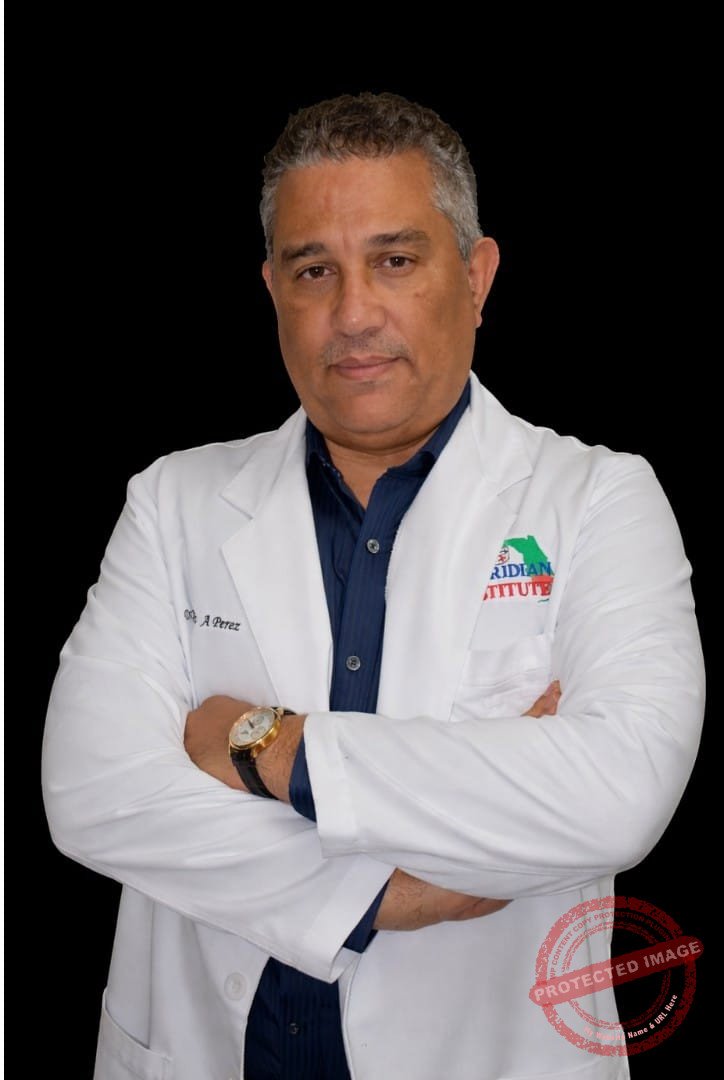
Medical Training. USMLE Experience. A Reasoning-Based Approach.
Dr. Jesus A Perez is a Medical Doctor whose medical education credentials have been independently evaluated in the United States.
Having personally completed and passed USMLE Step 1 and Step 2 CK, he brings both medical training and direct experience with the USMLE examination pathway to Synapsis Medical Education.
Frequently Asked Questions
USMLE preparation changes as medical training advances. These answers can help you identify the preparation pathway that matches your current examination.
Which USMLE program should I choose?
Choose the program that corresponds to the USMLE examination you are preparing for now. Step 1, Step 2 CK and Step 3 represent different stages of medical knowledge and clinical responsibility, so each requires a different preparation focus.
Should I prepare for Step 1, Step 2 CK and Step 3 at the same time?
No. Synapsis organizes Medical Education around your current USMLE milestone. The scientific emphasis of Step 1 is different from the clinical diagnosis and management emphasis of Step 2 CK and the increasingly independent patient management required for Step 3.
What is the main difference between Step 1, Step 2 CK and Step 3 preparation?
Step 1 emphasizes foundational sciences applied to medicine and understanding disease processes. Step 2 CK emphasizes clinical knowledge, diagnosis and management. Step 3 extends clinical reasoning toward increasingly independent patient-care decisions, longitudinal management and clinical case simulation.
What is PathoDx Pro?
PathoDx Pro is a pathology-focused digital learning resource designed primarily to support Step 1 preparation. It helps learners connect pathology, disease mechanisms, visual findings and clinical presentation rather than studying isolated facts.
What are the Medical Diagnosis Flashcards?
Medical Diagnosis Flashcards are designed to support Step 2 CK-style clinical learning by reinforcing recognition of clinical presentations, differential diagnosis and diagnostic reasoning.
Does Step 3 preparation include clinical case management?
Yes. Step 3 preparation extends beyond identifying a diagnosis. Learners must integrate diagnostic testing, treatment, pharmacotherapy, monitoring, prevention, follow-up and patient management. Preparation may also include practice with computer-based clinical case simulation concepts.
Do you work with International Medical Graduates?
Yes. Synapsis Medical Education works with medical students, medical graduates and International Medical Graduates (IMGs) who are preparing for their current USMLE examination. Educational support can also be provided in English and Spanish.
Is the USMLE preparation taught in English or Spanish?
Synapsis can explain difficult medical concepts and clinical reasoning in both English and Spanish. Because USMLE testing is conducted in English, learners should also become comfortable with the medical terminology and question style used in English.
Are the Medical programs live or self-paced?
The format depends on the program and learning resource. Some Synapsis Medical Education options may include guided instruction, while digital learning tools can provide more flexible independent study. Review the specific Step or resource page for the current format and access terms.
Are payment options available?
Payment terms depend on the specific USMLE program or medical learning resource selected. The individual program page provides the current enrollment price, payment structure and access terms.